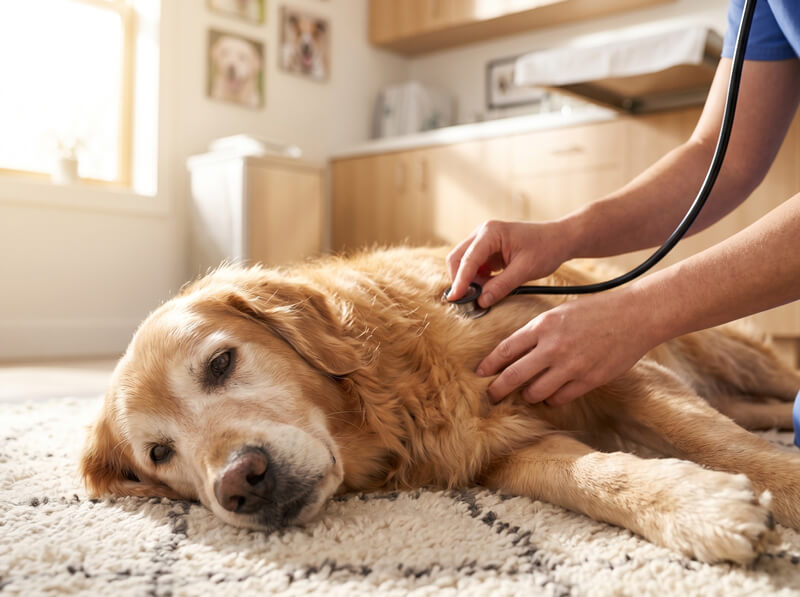
Caring for Your Companion's Golden Years
Aging is a natural process, not a disease. However, senior pets require specialized attention to prevent, detect, and manage age-related conditions. Our geriatric care program at Angel City Animal Hospital focuses on preserving your pet's quality of life and strengthening the bond you share.
Through personalized wellness plans, advanced diagnostics, and proactive health monitoring, we aim to detect chronic conditions like kidney disease, heart disease, diabetes, and arthritis in their earliest stages. With the right care and management, senior dogs and cats can live comfortable, vibrant lives for many years.
Our Comprehensive Geriatric Services
We customize our senior care routines and diagnostics based on your pet's age, breed, lifestyle, and unique health needs. Our comprehensive approach to geriatric care includes:
🤍 Comprehensive Senior Exams
Thorough twice-yearly check-ups to monitor physical changes, body condition, dental health, and subtle signs of aging.
🩺 Diagnostic Screenings
Senior blood profiles, urinalysis, and blood pressure checks to monitor kidney, liver, thyroid, and metabolic function.
🦴 Arthritis & Pain Management
Tailored mobility plans featuring joint supplements, pain management therapies, and medications to keep your pet comfortable.
🧠 Cognitive Support
Recognizing and managing Cognitive Dysfunction Syndrome (CDS) to help support memory, sleep patterns, and overall behavior.
🥩 Nutritional Consultation
Customized diet plans to support aging kidneys, weight management, muscle maintenance, and digestive health.
🤍 Senior Dental Care
Specialized, safe dental procedures and cleaning strategies under anesthesia tailored specifically for aging pets.
Frequently Asked Questions About Geriatric Care
Find answers to common questions about caring for senior dogs and cats.
When is a pet considered senior or geriatric?
Dogs and cats are generally considered seniors around 7 to 8 years of age. However, giant breed dogs can reach senior status as early as 5 or 6 years, while smaller dogs and cats might not show signs of aging until they are 9 or 10 years old.
How often should senior pets visit the veterinarian?
We recommend that senior pets have wellness check-ups and diagnostic screening exams every 6 months. Since pets age faster than humans, health conditions can develop and progress rapidly in their senior years.
What is geriatric screening and why is it important?
Geriatric screening involves routine blood work, urinalysis, and sometimes imaging like X-rays or ultrasounds. These diagnostic tests help us evaluate organ function (like kidneys and liver), detect early stages of disease (such as diabetes, thyroid issues, or cancer) before clinical symptoms appear, and establish a baseline.
How can I tell if my senior pet is in pain?
Signs of pain in senior pets can be subtle and are often mistaken for just slowing down. Watch for stiffness, difficulty rising or climbing stairs, reluctance to jump, decreased activity, changes in sleeping patterns, restlessness, or vocalization. If you notice any of these signs, contact us for a comprehensive evaluation.
What can be done to manage arthritis and improve mobility?
We offer comprehensive arthritis management plans that may include joint supplements (such as glucosamine and chondroitin), prescription anti-inflammatory medications (NSAIDs), pain management therapies, weight management counseling, and recommendations for home modifications (like ramps or orthopedic beds) to keep them comfortable and mobile.
Ready to Schedule a Senior Evaluation?
Give your aging companion the support they deserve. Early detection is key to managing chronic health concerns and keeping your senior pet happy and active.